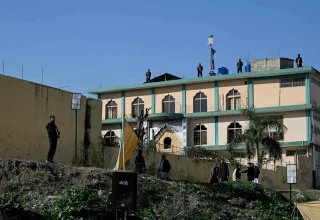
In a rare meteorological event, the coastal areas of Balochistan observed a landspout after six years, offering a spectacular sight to local residents. Landspouts and waterspouts are tornado-like columns of air that connect clouds to the ground or sea surface simultaneously.
These phenomena form due to high humidity in the air and elevated sea surface temperatures. The diameter of a typical landspout is approximately 50 meters, while surrounding winds can reach speeds of up to 80 kilometers per hour.
Sardar Sarfaraz, former Director of the Pakistan Meteorological Department, reported that the landspout appeared in Gwadar ahead of rainfall associated with an incoming western disturbance. The towering column, stretching from the ground to the sky, was visible to the naked eye and created an unusual and striking scene for nearby communities.
Meteorologists predict rainfall in the region starting Tuesday, with this landspout occurring as part of the same atmospheric system. Experts note that both landspouts and waterspouts rotate in a similar columnar fashion and are not necessarily accompanied by lightning.
According to technical advisor Muhammad Muzammil Khan of WWF Pakistan, these spouts generally form alongside columnar clouds and are short-lived, dissipating naturally within a brief period. Waterspouts, however, have long been recognized as significant marine hazards.
Sardar Sarfaraz added that the southwestern region of Balochistan experienced this rare landspout due to the influence of low-pressure western systems moving into Pakistan, highlighting the dynamic nature of the region’s weather patterns.