For the first time in recent years, the legal tool of “quo warranto,” previously used against parliamentarians, is being invoked against a sitting judge of a higher court.
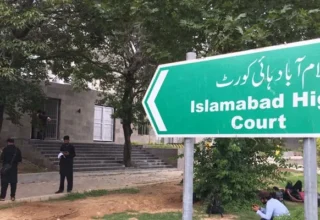
A division bench of the Islamabad High Court (IHC), headed by Chief Justice Sarfraz Dogar, accepted a quo warranto petition against Justice Tariq Jahangiri over alleged possession of a fake degree and issued a notice for him to appear in court. Sources indicate that Justice Jahangiri is expected to personally appear for the hearing.
Historically, after the restoration of judges in March 2009, the higher judiciary exercised its powers under Article 184(3) to remove dozens of parliamentarians, including two prime ministers, two NAB chairmen, and several government officials for holding fake degrees, dual nationality, or failing to disclose assets. Senior lawyers note that the previous use of quo warranto against legislators weakened parliament, disproportionately affecting the PML-N and PPP.
Following the 27th constitutional amendment, the balance has shifted, giving the administration more influence over the judiciary. Judges perceived as not aligned with government preferences may face challenges from within the judicial system, according to legal observers.
Some legal circles have raised concerns that the acceptance of a quo warranto petition against Justice Jahangiri could undermine Article 209, which stipulates that only the Supreme Judicial Council has authority to initiate proceedings against judges.