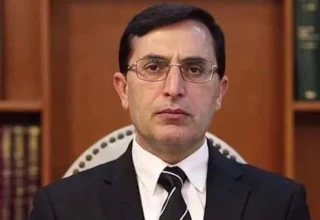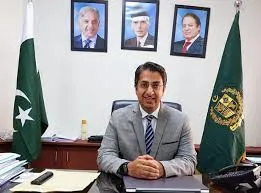
Government College University Faisalabad hosted a seminar titled “The Challenge of Pakistan’s Trade,” where Coordinator to the Prime Minister on Commerce Rana Ihsaan Afzal Khan delivered the keynote address to students, faculty members and researchers.
The seminar was part of the Ministry’s outreach initiative aimed at engaging academia and youth on Pakistan’s trade policy direction, competitiveness challenges and ongoing economic reforms.
In his keynote address, Rana Ihsaan Afzal Khan outlined Pakistan’s macroeconomic context for FY 2024–25, noting that although the country’s export-to-GDP ratio remains below several regional comparators, there exists significant potential for export-led growth through structural reforms and enhanced competitiveness.
He reviewed Pakistan’s export composition, highlighting the continued strength of textiles alongside emerging growth in cereals and selected non-traditional sectors. Emphasizing the need for diversification, he stressed the importance of transitioning toward higher value-added and technology-driven exports to enhance resilience, reduce structural vulnerabilities and expand Pakistan’s global market presence.
Benchmarking Pakistan against regional economies including India, Bangladesh and Vietnam, the coordinator identified structural constraints such as energy costs, logistics inefficiencies and financing challenges that impact exporters’ competitiveness.
He noted that ongoing reforms are aimed at reducing the cost of doing business and improving the overall trade ecosystem.
The coordinator also highlighted key measures undertaken to strengthen the trade environment, including rationalization of electricity tariffs, reduction in Export Finance Scheme (EFS) rates, digitization of customs procedures and efforts to maximize the benefits of existing trade agreements to secure greater market access.
Sharing recent macroeconomic trends, he pointed to declining inflation, improved exchange rate stability and strengthening foreign exchange reserves as indicators of economic stabilization and renewed policy direction.
The seminar concluded with a shared commitment to further strengthen Pakistan’s trade and export competitiveness.