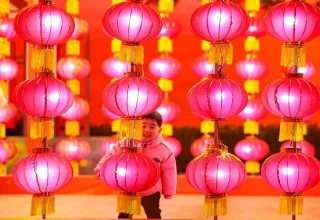
As the Year of the Horse approaches, 3D printing is galloping into China’s Spring Festival preparations, transforming both traditional crafts and industrial manufacturing. In a sprawling Shenzhen workshop operated by Shenzhen Huafast Industry Co., Ltd, thousands of printers hum as they produce horse-themed ornaments, good-luck charms, and intricate zodiac decorations for holiday shoppers. Technician Yang Shengwu oversees the machines as red filaments melt into precise layers, completing complex designs without the need for molds or assembly.
Company head Li Jian highlighted 3D printing’s speed and flexibility, noting that even massive orders—like 40,000 desktop horse ornaments with the character “fu” (fortune)—can be completed in just a week. Beyond novelty items, 3D printing is increasingly used across China in traditional and industrial sectors. In Laixi, artisans now use 3D-printed molds to create delicate flower-shaped steamed buns, while in Jingdezhen, the nation’s porcelain capital, AI modeling and 3D printing complement ancient glazing techniques to craft innovative ceramics.
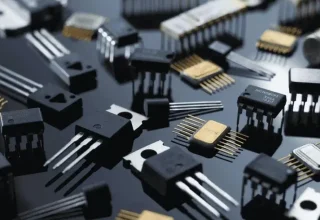
National statistics show that China’s 3D printing equipment output surged 52.5 percent in 2025, and the manufacturing sector grew from 20.8 billion yuan to 70 billion yuan during the 14th Five-Year Plan. Huafast’s workshop itself has expanded from 500 machines to 5,000 in just two years, with plans to reach 10,000 after the festival. Consumer-grade printers are also bringing the technology closer to everyday households, letting children and hobbyists create personalized gifts and toys, while companies experiment with new product categories such as 3D-printed shoes and basketballs.
From festive decorations to industrial components, 3D printing in China demonstrates a fusion of tradition and innovation, reshaping how products are designed, produced, and celebrated.