Islamabad Administration has removed more than 29,000 pollen-producing trees as part of a joint campaign by the Capital Development Authority (CDA) and the Ministry of National Health Services, following directives from the prime minister, officials said.
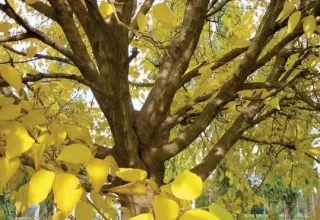
According to an official statement, authorities completed a three-phase, science-based operation targeting paper mulberry trees, which are a major cause of seasonal pollen allergies in Islamabad. A total of 29,115 such trees were uprooted from key locations across the city.
The removal focused on major public spaces and residential sectors, including F-9 Park, Shakarparian, and several large sectors of the federal capital. Officials said the operation was designed to reduce the health burden caused by high pollen levels during spring.
As part of the initiative, authorities decided to plant three indigenous, environment-friendly trees in place of each uprooted paper mulberry tree. The statement said more than 40,000 new trees have already been planted in affected areas.
In addition, a tender has been issued for the plantation of another 18,000 trees with support from the private sector and the Oil and Gas Development Company Limited (OGDCL), the statement added.
Restoration work is also under way in Shakarparian, where rehabilitation activities are ongoing across 81 acres. Officials said the project is scheduled for completion by April 2026.
Health authorities say the measures are already showing results. Over the past two years, pollen vaccination cases have dropped by 23 percent. Compared to 2023, reported allergy cases in 2025 were reduced by more than half, with record-low pollen cases reported in November and December 2025.
Officials said the continued removal of allergy-causing trees and expansion of native plantations are expected to further reduce pollen-related illnesses in the coming years.