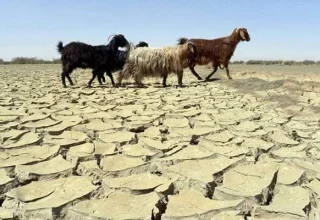
Balochistan is facing an escalating environmental emergency, with unusually low rainfall pushing much of the province into a state of prolonged drought. Water management failures and shrinking agricultural resources have deepened the crisis, affecting rural communities on a wide scale.
According to a recent assessment published on the Asian Development Bank’s Development Asia platform, Balochistan’s cultivable land has reduced sharply and now stands at just 7.2 percent. Agricultural specialists say the province once produced around 27 different crops, including apples, grapes, wheat and rice, but production has been falling steadily due to water shortages.
Experts report that declining rainfall has caused underground water levels to drop by three to four feet annually, accelerating drought conditions and severely impacting nearly 75 percent of the rural population. Many communities dependent on agriculture now face dwindling livelihoods and worsening food insecurity.
Agricultural analysts warn that without immediate intervention to address water scarcity, Balochistan could see a further reduction in arable land, potentially triggering severe crop shortages and forced migration from vulnerable areas.
Specialists argue that the province urgently needs stronger water conservation measures, expanded storage capacity and improved resource management to stabilise the situation and prevent long-term socio-economic fallout.